Spotlight on the Stage Crew: The Unsung Heroes of KC Theatre—And Why the Stage Manager is the Real Director
The house lights fade, the air crackles with anticipation, and the overture begins. For the next two hours, we are captivated by the magic unfolding onstage, eventually rising for a standing ovation dedicated to the actors and the creative vision of the director. But what if i told you the true heroes of that seamless night, the ones responsible for its precision and professional polish, are almost invisible?
This piece is a tribute to the unsung heroes of every show: the technicians, designers, and managers who make the art possible. In the vibrant Kansas City Theatre scene, from the major profesisonal houses like Kansas City Repertory Theatre to beloved community institutions like Olathe Civic Theatre Association, the bedock of every production is the stage crew. And at the absolute center of that bedrock is the single most important person after opening night: the Stage Manager.
The Stage Manager: The Brain, The Heart, and The Unflappable Boss
The conventional wisdom holds that the director runs the show. That’s true until the final dress rehearsal. The moment a show officially opens, the responsibility for its artistic integrity, efficiency, and safety shifts entirely to the Stage Manager. The SM is, essentially, the show’s CEO.
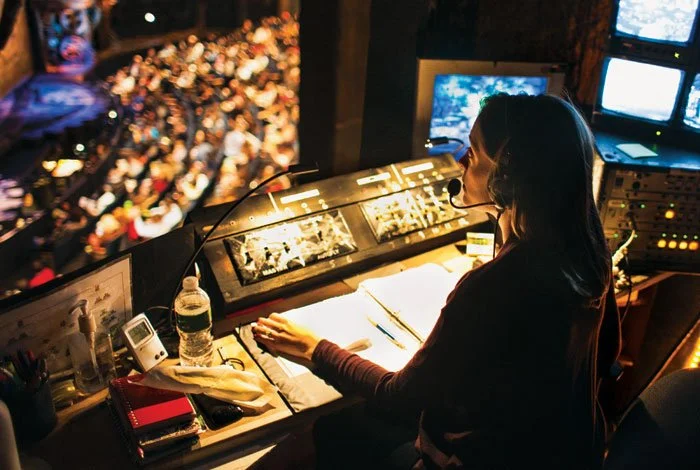
They are a unique blend of artist, diplomat, historian, and air traffic controller. Their primary tool is the SM Book, a meticulously detailed, binder blueprint of the show. Every single piece of information is recorded here: actor blocking, prop placement, sound cues, light cues, and scene changes. If a crisis happens five minutes before curtain, the answer is not on stage; it’s in the SM’s prompt book.
The True Directors of the Run
When you witness a flawless performance in KC, it is because the SM, sitting in the booth with a headset, is calling hundreds of technical cues with rhythmic, military precision. The timing must be perfect - a light cue called a second too early or late can ruin an emotional moment.
Beyond the technical aspect, their role requires profound emotional and logistical intelligence. The SMs I’ve worked with across KC stages are truly amazing, unflappable, and essential professionals. They possess a rare set of qualities that keep the entire production from fracturing
The Logistical Brain: They handle daily logistics, post rehearsal schedules, track actor attendance, coordinate with every single department (costumes, props, scenic), and generate daily reports detailing everything that happened.
The Crisis Specialist: When a light fixture explodes, an actor gets sick, or a piece of scenery breaks mid-show, the SM is the one who calmly manages the emergency and gets the show to the final curtain, often without the audience ever sensing a disturbance.
The Emotional Anchor: They are the constant, stable presence for the cast and crew through weeks of intense rehearsal and a long run. They are the "keeper of the peace" and the source of continuity and professionalism.
Their ability to maintain calm and professionalism under pressure is a testament to the high caliber of theatre professionals being fostered in the Kansas City area, often trained through rigorous programs like the UMKC Conservatory and honed in local professional and community houses.
The Silent Ballet: Choreography of the Stage Crew
The SM is the conductor, but the orchestra is the stage crew. Their work is a silent, high-stakes ballet that occurs just out of sight, proving that theatre is just as much a craft as it is an art.
The Run Crew (Deck Hands): These are the true ghosts of the theatre. Dressed in black to achieve invisibility, they are responsible for every physical transformation on stage. They work under the cover of darkness (called "running in the dark"), moving heavy scenic wagons, resetting dozens of hand props, and positioning furniture for the next scene. Their movements are highly choreographed and practiced to ensure no one is injured and that the movement is swift and silent.
The Lighting and Sound Operators: Sitting in the booth with the SM, these specialists wait for the command. Their fingers are poised over complex boards containing hundreds of programmed cues. Their timing must be impeccable—the audience’s experience hinges on the sound of a doorbell and the flick of a spotlight happening on the correct line of dialogue.
The Wardrobe Team: They are the guardians of the aesthetic. They manage emergency costume repairs, conduct high-speed quick changes backstage (sometimes requiring an actor to shed three outfits in less than 45 seconds), and ensure that every item of clothing, from a 19th-century ballgown to a modern-day tee-shirt, is cleaned, pressed, and perfect for the next performance.
Resourcefulness and Heart: The KC Community Connection
In the major regional theatres, these roles are often full-time jobs. But at places like The Barn Players and The White Theatre at The J, these crucial positions are often filled by incredibly talented volunteers who dedicate their time, organizational skills, and passion.
This volunteer spirit highlights the deep resourcefulness and grit of the KC community theatre scene. When a budget is tight, the crew often becomes even more inventive, finding creative solutions to technical problems—a level of commitment that truly defines the local artistic spirit. These local stages serve as vital proving grounds, offering hands-on experience that builds the robust professional pipeline Kansas City is known for.
Final Call: Giving Credit Where It's Due
The next time you are enjoying a phenomenal show in the Kansas City area, remember to look beyond the bright lights and the loud applause.
As you flip through the program, pause on the names listed under Production Staff, Stage Management, and Technical Crew. They are the meticulous organizers, the calm problem-solvers, and the hardworking artists who labor in the shadows so that the story on stage can shine. They are the true professionals of the Kansas City stage, and they deserve every bit of our admiration.
